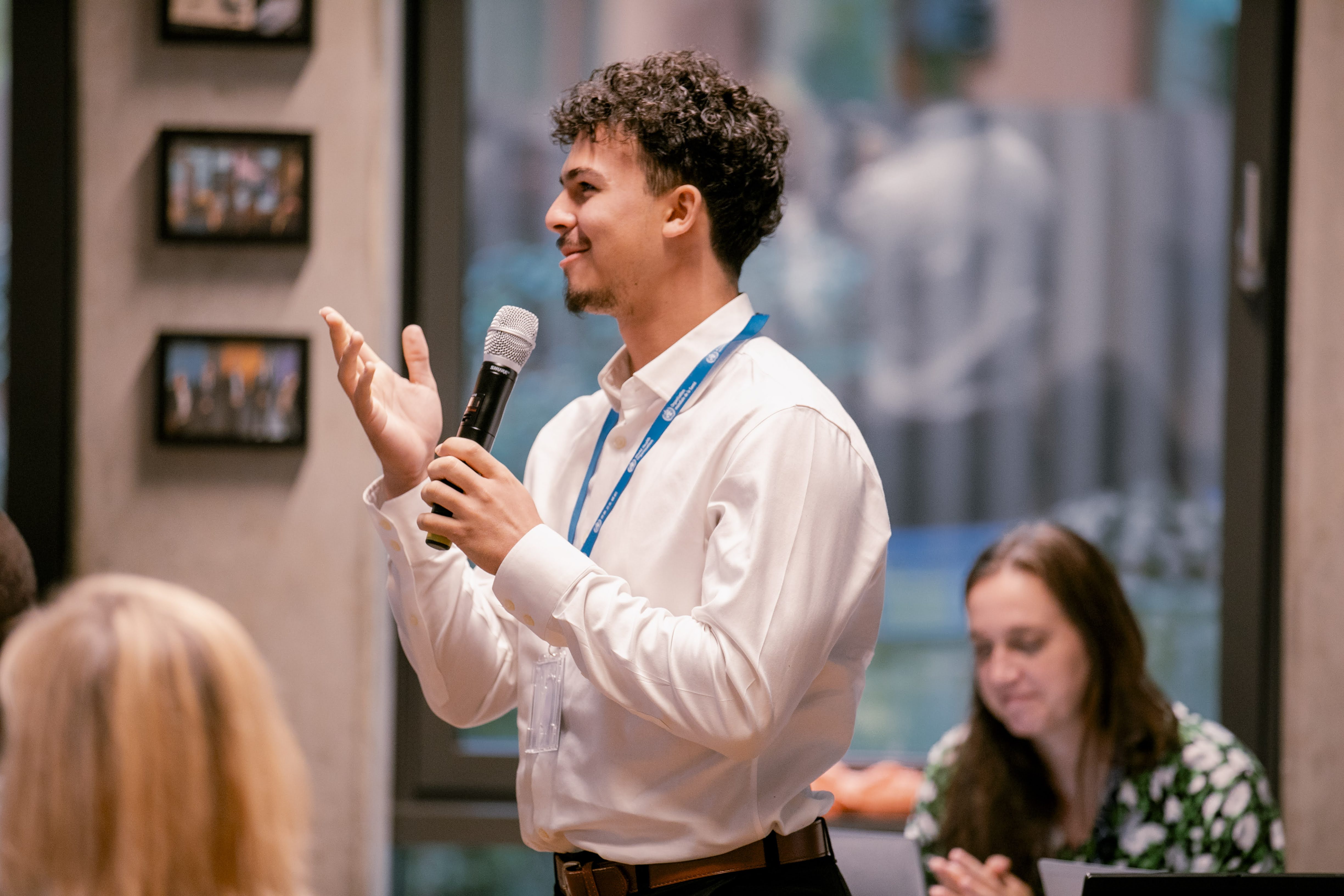
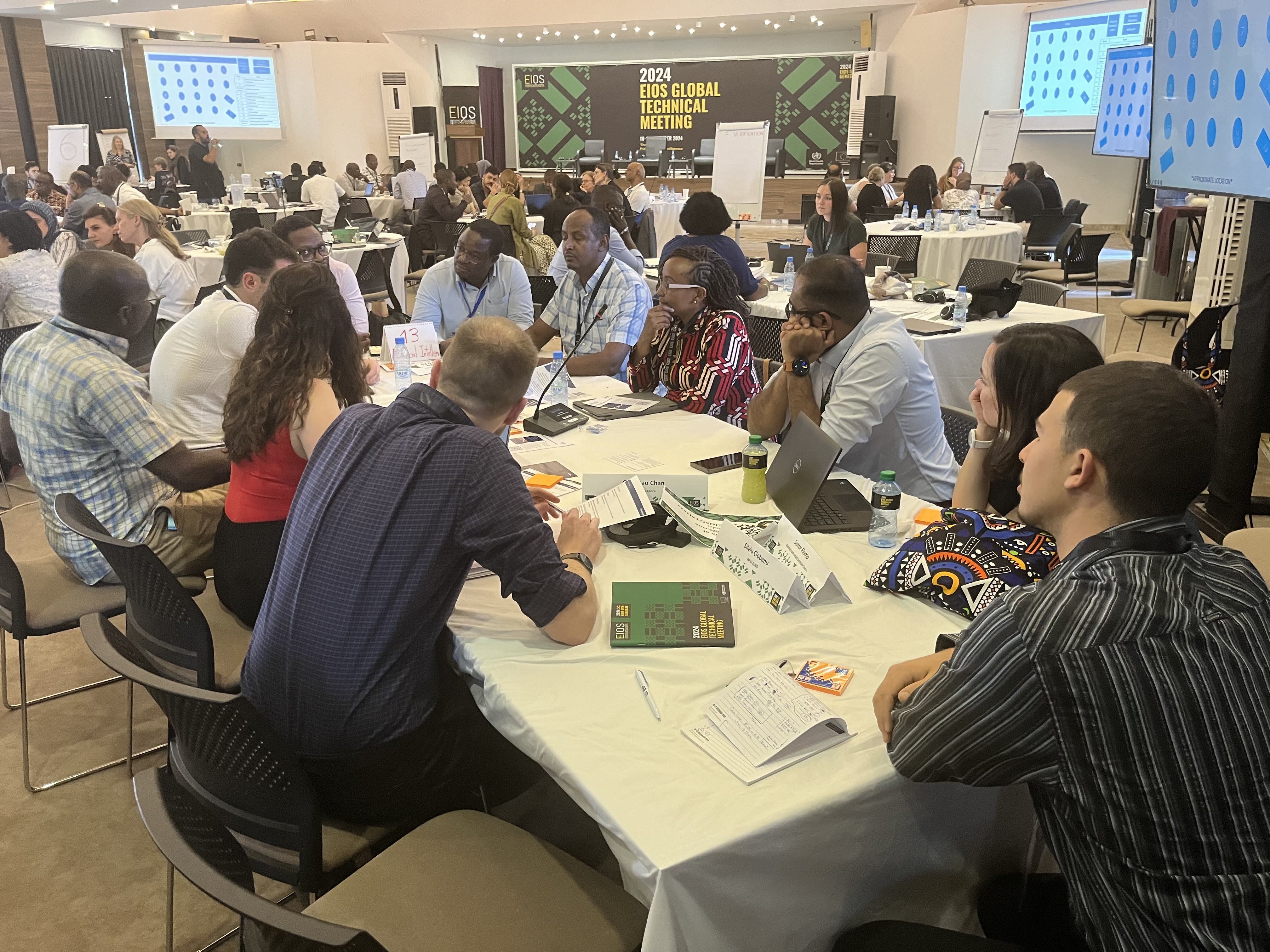
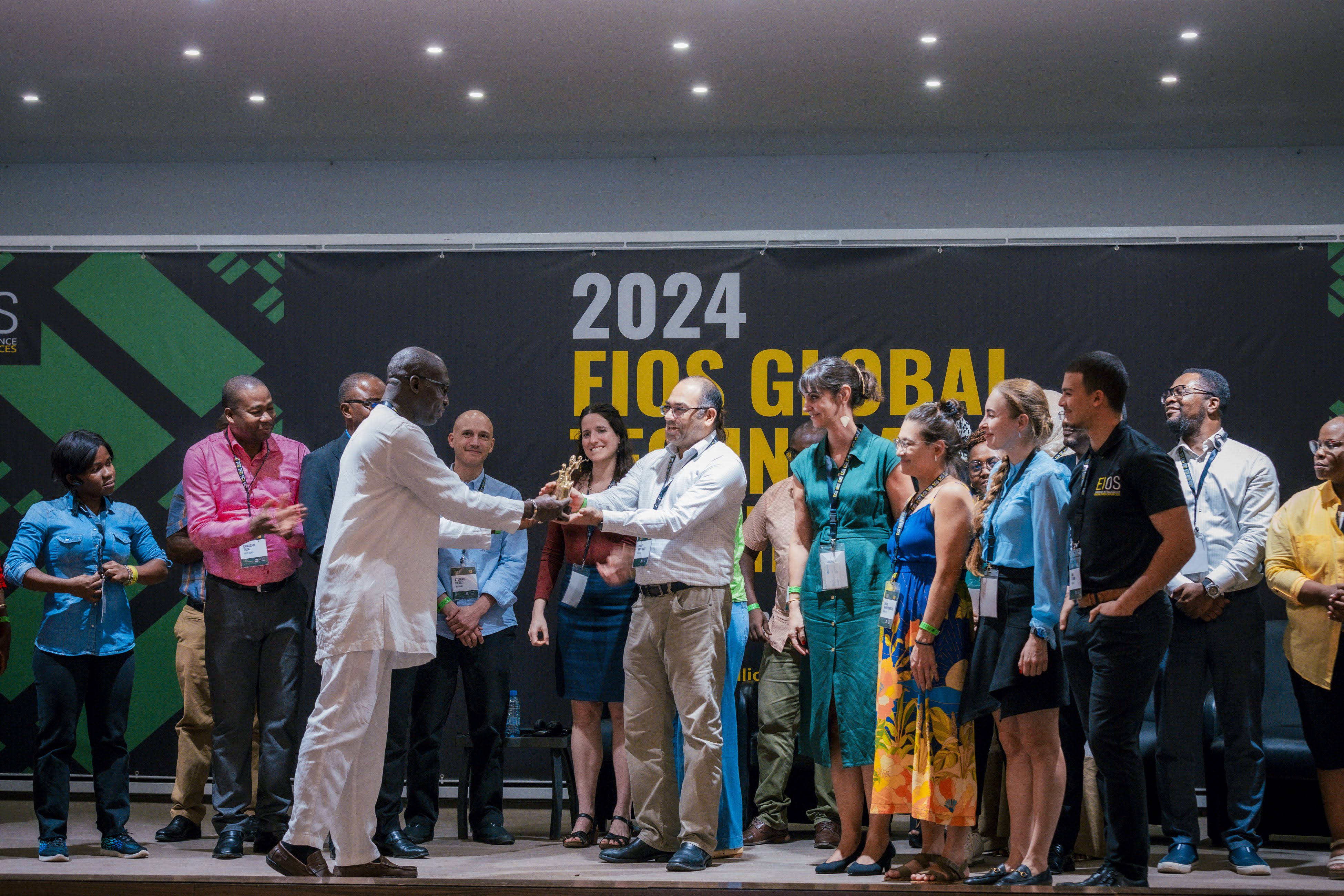
As a core contributor to the fifth Epidemic Intelligence from Open Sources (EIOS) Global Technical Meeting (GTM), I worked at the WHO Hub for Pandemic and Epidemic Intelligence to convene nearly 200 experts from 70 countries. Our mission was to define “The Future of Public Health Intelligence (PHI)” by integrating cutting-edge AI technologies with robust collaborative surveillance frameworks to detect and respond to global health threats in real-time. My main outputs of this internship were the full meeting report, published on BMC proceedings
AI Governance & Tech Innovation
I analyzed the integration of AI into epidemic intelligence, ensuring that technological leaps remain ethically grounded and accessible.
- Algorithmic Equity: Evaluated AI models for low-resource languages to prevent a “digital divide” in surveillance, ensuring data from linguistically underrepresented regions is captured.
- Predictive Analysis: Synthesized case studies on using machine learning for dengue forecasting and satellite imagery for humanitarian health assessments.
- System Roadmap: Provided input on the transition to EIOS v2.0, focusing on automated multilingual data processing to speed up threat detection.
Policy Frameworks & Surveillance
I worked on harmonizing global standards to move from reactive response to proactive “Collaborative Surveillance.”
- Operational Standardization: Contributed to the development of a PHI Operational Framework to unify inconsistent terminology and reporting protocols across 100+ Member States.
- One Health Advocacy: Integrated “One Health” principles into surveillance workflows, linking human, animal, and environmental data for earlier signal verification.
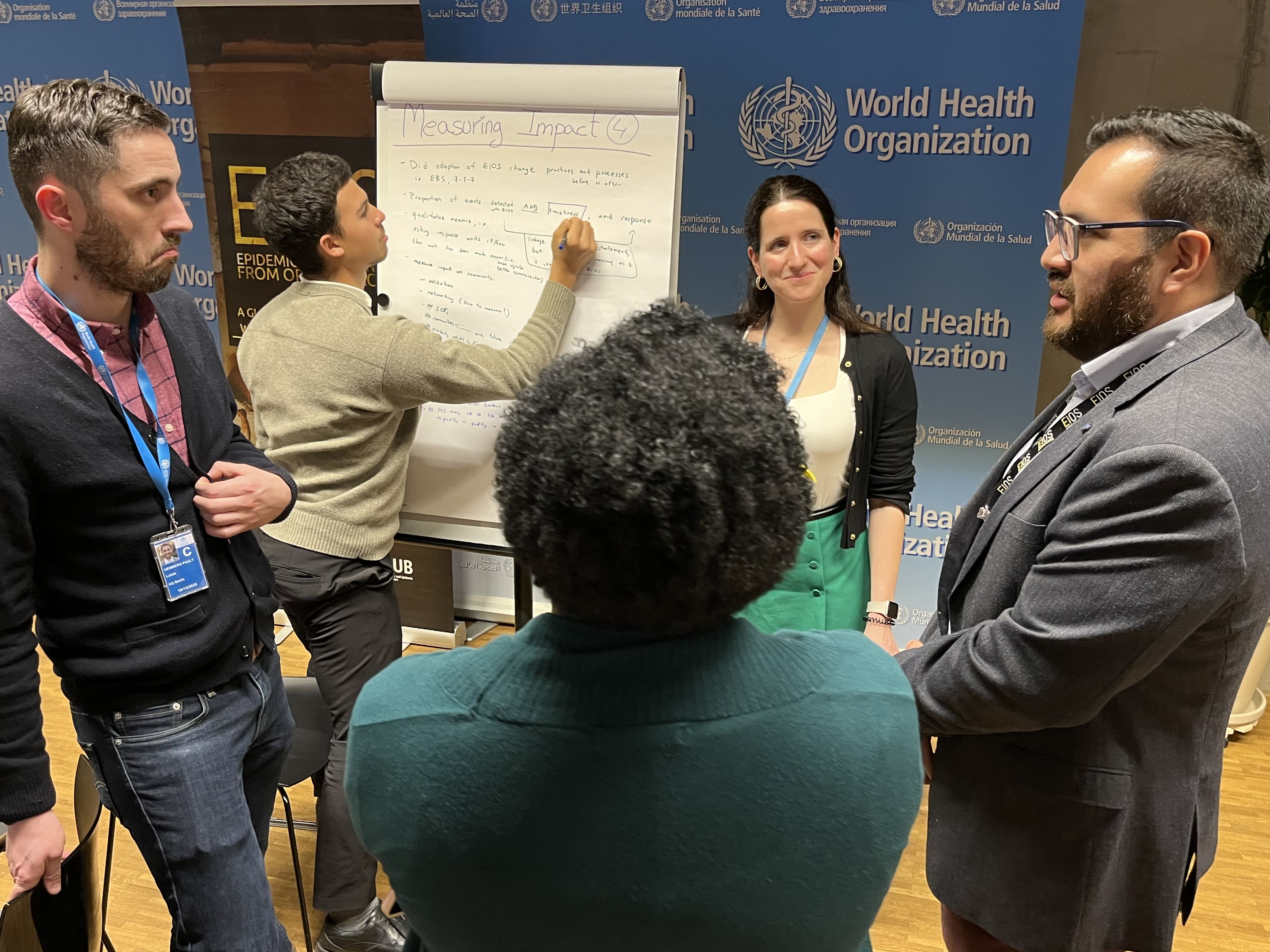
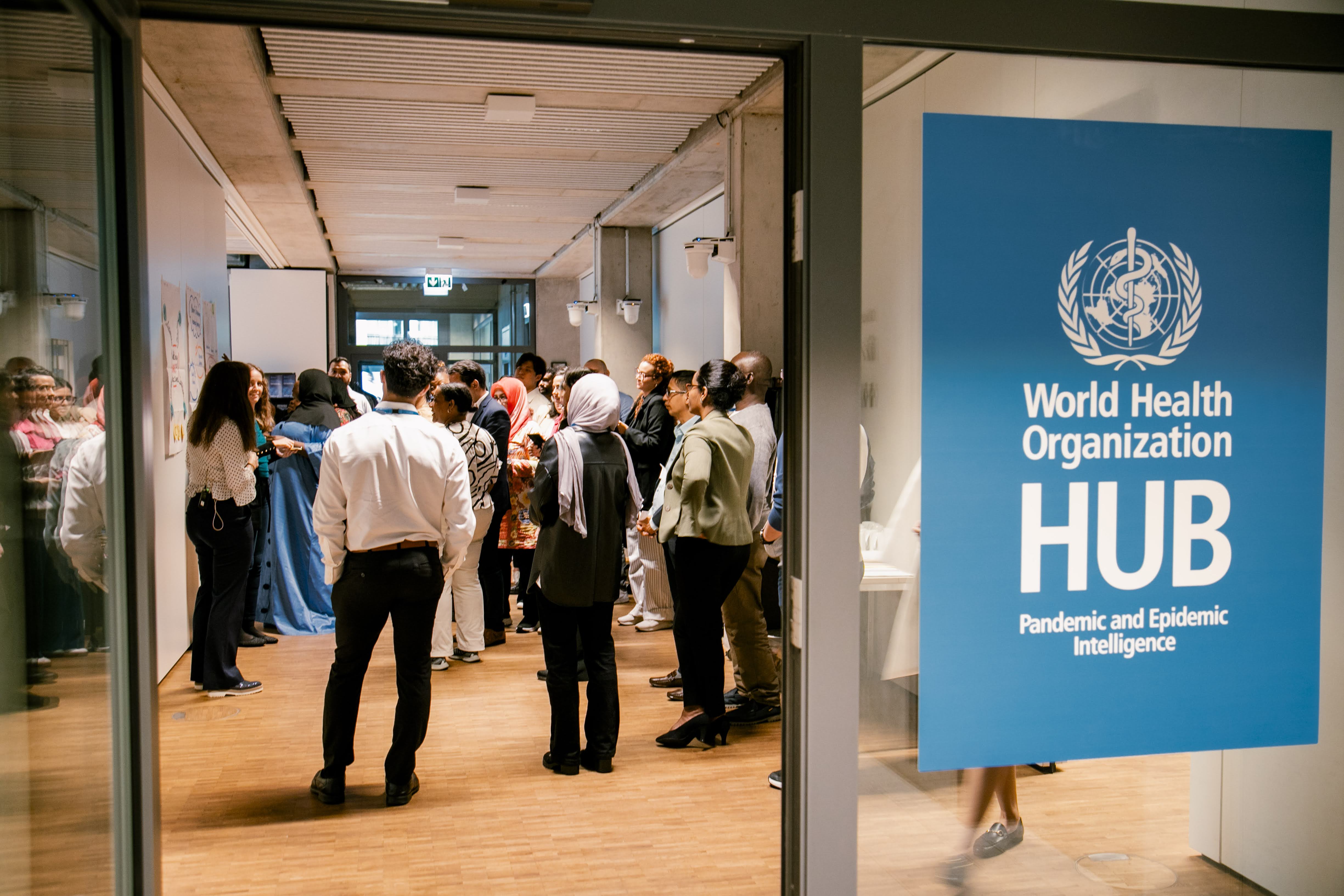
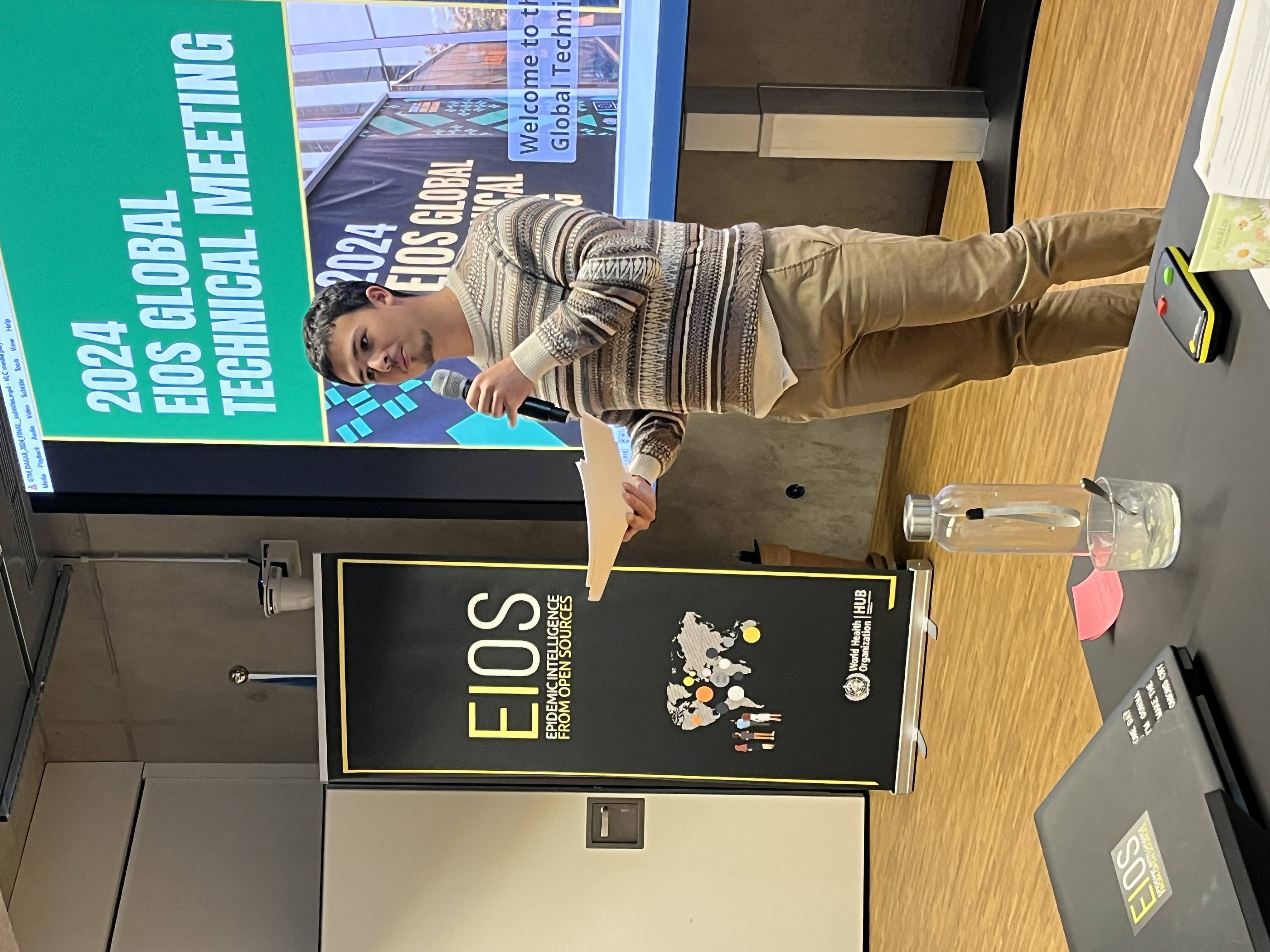
Stakeholder Engagement & Capacity Building
I facilitated high-level technical diplomacy to ensure policy intent translated into field-level action.
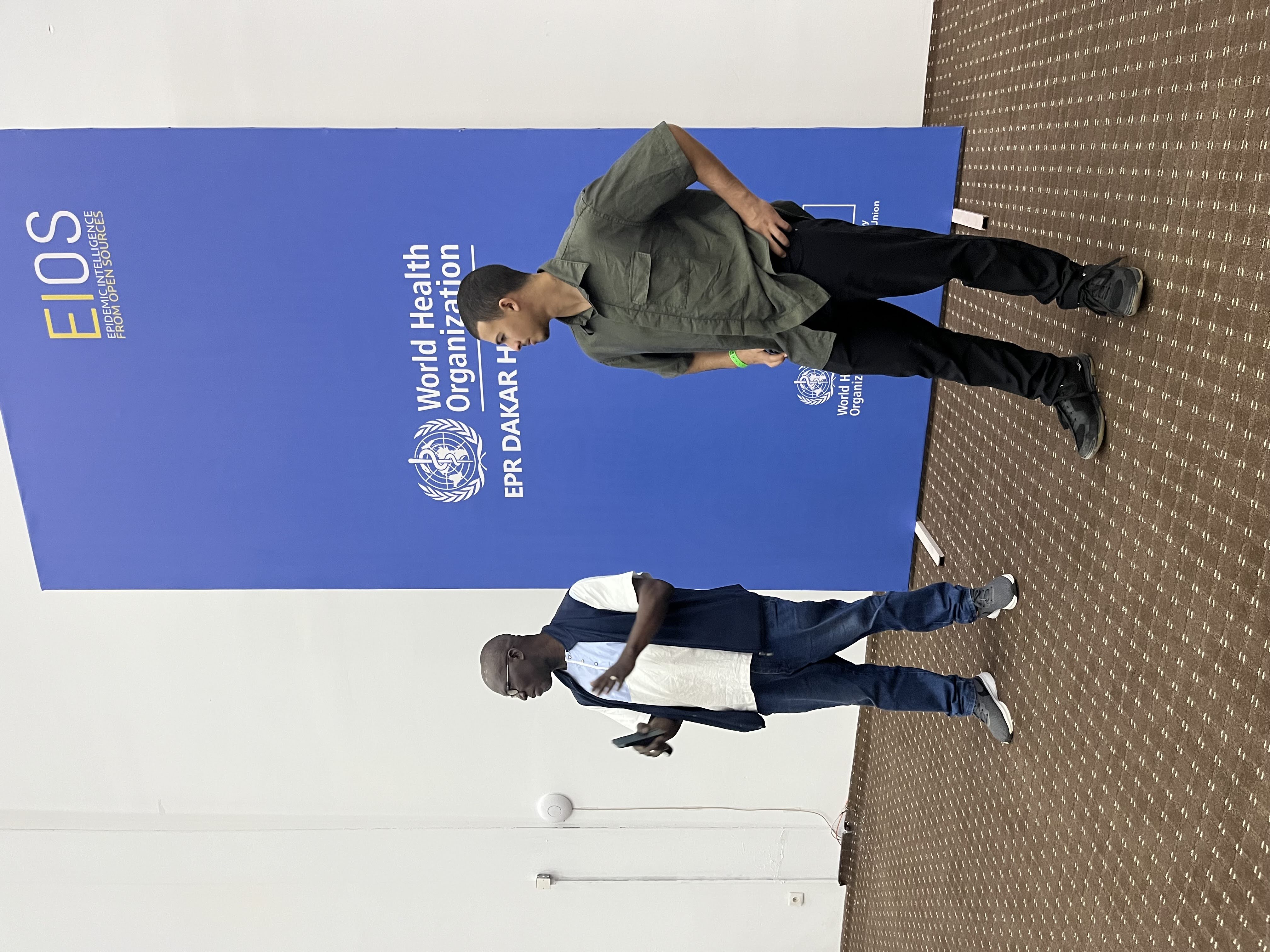
- Strategic Partnerships: Engaged with delegates from the European Commission (HERA) and the WHO African Region (AFRO) to support the expansion of the Regional Emergency Hub in Dakar.
- Workforce Resilience: Co-developed training strategies to address staff turnover in national health ministries, utilizing the WHO Academy for scalable, competency-based learning.
- Cross-Border Coordination: Facilitated knowledge exchange between 70 countries to identify “administrative silos” hindering real-time regional data sharing.